Mosquito Control
We Take Care of the Pests,
SO YOU CAN TAKE CARE OF THE REST.
Mosquito Control in Charlotte
Science-Backed Mosquito Treatment from a Local Company Serving Charlotte Since 2000
Charlotte’s warm, humid summers and frequent rainfall create near-ideal conditions for mosquito activity across Mecklenburg County. City Wide Exterminating has been helping local homeowners and businesses manage that pressure since 2000, and our approach goes further than most mosquito-only services. Our team includes an Associate Certified Entomologist (ACE), a credential reflecting advanced knowledge of insect biology and behavior, and we’re members of the National Pest Management Association (NPMA), which keeps us current on the latest treatment techniques and safety standards.
Every technician we send to your property is fully licensed and insured. We use professional-grade, environmentally responsible products selected to minimize risk to your family, pets, and the surrounding environment. As a woman-owned, family-owned company, we’re accountable to this community. Free estimates, online scheduling, and appointments within 24 hours make getting started straightforward.
For mosquito control services in Charlotte, call City Wide Exterminating at (704) 850-6091 today. We offer online scheduling, free estimates, and appointments within the next 24 hours!
Why Mosquitoes Are a Health Issue, Not Just a Nuisance
Mosquitoes rank among the most dangerous pests worldwide because of their ability to transmit disease. In North Carolina, they’re confirmed carriers of West Nile Virus, La Crosse encephalitis, and eastern equine encephalitis, and there’s no visible way to tell a disease-carrying mosquito from one that isn’t. Every bite carries some level of risk. Professional mosquito control can reduce exposure across your entire property, something personal repellent use alone can’t accomplish.
Acting before peak Charlotte mosquito season is fully underway supports early treatment of breeding cycles before populations build. Whether you’re protecting young children, elderly family members, or pets, property-wide population reduction is a reliable approach.
What Our Mosquito Control Service Includes
Our mosquito control service follows a structured process designed to reduce populations and address the conditions that support them. Here’s what to expect:
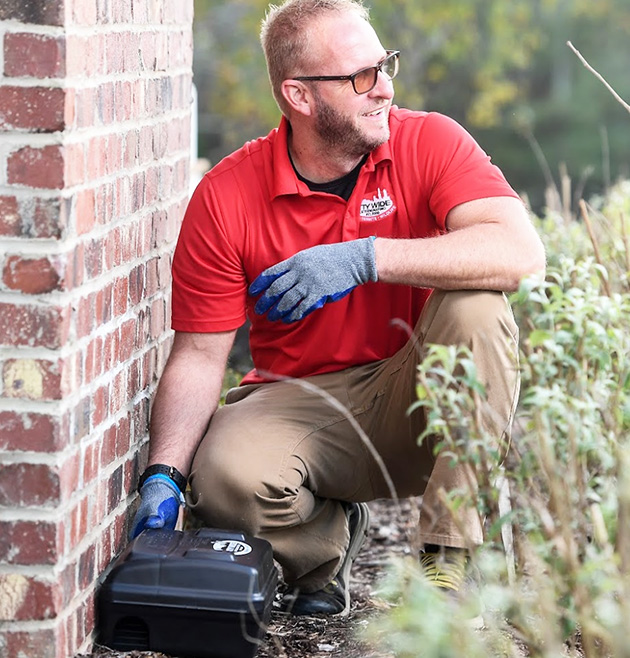
Property Inspection We begin by walking the property to identify active breeding sites and harborage areas: standing water, dense vegetation, and shaded ground cover where mosquitoes rest during the day.
Barrier Treatment We apply targeted barrier treatments using professional-grade, eco-conscious products to the areas where mosquitoes rest and breed: primarily low foliage, shaded landscaping, and vegetation near standing water. This is designed to reduce the active mosquito population in the treated zone.
Recurring Scheduled Service Mosquitoes can re-colonize a yard from surrounding areas throughout the season. That’s why our residential mosquito control includes automatic yard treatment every 30 days. Consistent scheduling helps disrupt the breeding cycle before populations rebuild. Most treatments are completed within 20 minutes, and people and pets may return to the property 30 minutes after completion.
Prevention Guidance We also provide recommendations on reducing conditions that attract mosquitoes, including eliminating standing water, managing vegetation, and addressing any drainage issues we observe during the inspection.
For broader coverage, our Every Day Home Plus plan includes outdoor mosquito treatments alongside protection for rodents, spiders, roaches, and additional pests.
What Attracts Mosquitoes to Your Property?
Most residential properties in the Charlotte area give mosquitoes what they need: water, shade, and vegetation. Charlotte’s frequent summer rain events mean standing water can appear quickly even on well-maintained properties, and certain conditions make a yard considerably more hospitable than others.
Your property may be more vulnerable if:
Buckets, birdbaths, tarps, or plant holders are collecting standing water
Gutters are clogged and holding moisture
Yard debris or leaf litter has accumulated in shaded areas
Landscaping is dense or overgrown, creating resting habitat
The property sits near a greenway, creek, or storm drainage area
Types of Mosquitoes in the Charlotte Area
North Carolina is home to multiple mosquito species active in the Charlotte area. Knowing which species you’re dealing with matters because each carries different disease risks.
Asian Tiger Mosquito
Black body with visible white stripes
Distinctive single white stripe running the length of the back
Approximately one-quarter inch long
Associated with La Crosse encephalitis transmission
Eastern Tree-Hole Mosquito
Dark, narrow wing scales with dark unbanded legs
Median brown stripe of scales with silvery-white lateral scales
One-quarter inch or smaller
Primary vector of La Crosse encephalitis
Northern House Mosquito
Associated with West Nile Virus transmission in North Carolina
Preventing Mosquitoes & Their Bites
There are practical steps every homeowner can take to reduce mosquito activity on their property. These measures help, but they don’t replace professional treatment. Mosquitoes can breed in very small amounts of water that are easy to overlook.
Dump standing water from outdoor containers including buckets, birdbaths, tarps, and plant holders
Keep gutters clear to prevent water accumulation
Install screens on windows and doors to limit mosquito entry
Use EPA-registered repellents containing DEET when spending time outdoors
Wear long-sleeved clothing during extended outdoor periods, especially at dusk and dawn
What to Do When You Have a Mosquito Problem
A mosquito infestation is difficult to control independently. Mosquitoes can continuously re-enter your yard from surrounding properties and natural areas throughout the season, which is why one-time DIY applications tend to lose effectiveness quickly.
Our mosquito exterminator service in Charlotte starts with identifying where mosquitoes are breeding and resting on your specific property. From there, we apply barrier treatments that are designed to significantly reduce the mosquito population in your yard. Because populations can rebuild between visits, our residential service includes automatic treatment every 30 days, keeping consistent pressure on the breeding cycle throughout the season. Most treatments are completed within 20 minutes, and people and pets may return to the property 30 minutes after treatment is complete.
Why are mosquitoes such a persistent problem in Charlotte?
Charlotte’s warm, humid climate and frequent summer rainfall create conditions where mosquitoes can remain active for much of the year. Standing water accumulates quickly after rain events, giving mosquitoes abundant breeding opportunities. Properties near greenways, creeks, or storm drainage areas tend to experience higher baseline pressure, but no yard in Mecklenburg County is immune.
Are the mosquito control products you use safe for my family and pets?
We use professional-grade products selected to minimize risk to people, pets, and the environment. People and pets may return to treated areas 30 minutes after treatment is complete. Our eco-conscious approach is part of how we’ve built trust with Charlotte-area families since 2000.
How often will my yard be treated?
Our residential mosquito control service includes automatic yard treatment every 30 days. This recurring schedule can be more effective than one-time applications because it helps interrupt the breeding cycle before mosquito populations have a chance to rebuild between visits.
What makes City Wide Exterminating different from mosquito-only franchises?
We’re a woman-owned, family-owned company that has served this community since 2000. Our team includes an Associate Certified Entomologist, and we’re members of the National Pest Management Association. Every technician is fully licensed and insured. We offer free estimates, online scheduling, and appointments within 24 hours: no pressure, no surprise costs.
Health Risks Associated with Mosquito Bites
Mosquitoes are confirmed vectors of serious diseases. In North Carolina, the three most commonly encountered species are each associated with illness: Northern House Mosquitoes carry West Nile Virus, Eastern Tree-Hole Mosquitoes are the primary vector of La Crosse encephalitis, and Asian Tiger Mosquitoes are also linked to La Crosse encephalitis as a secondary vector. Beyond those, mosquitoes worldwide are known carriers of Zika virus, dengue, chikungunya, yellow fever, malaria, and certain parasites.
Because there’s no visual difference between a disease-carrying mosquito and one that isn’t, population-level reduction through professional treatment can help lower your household’s exposure risk. Personal repellents protect the individual using them. Professional mosquito control addresses the whole property.
Skeeter Syndrome
Some individuals experience a more severe reaction to mosquito bites known as Skeeter Syndrome, an allergic response to proteins in mosquito saliva. It’s more common in young children, people not previously exposed to a specific mosquito species, and those with immune system conditions. Symptoms can include significant skin swelling, hives, swollen lymph nodes, and fever, making it far more than a minor inconvenience for affected individuals.
Serving Mecklenburg County & Mooresville
Our woman-owned, family-owned team is ready to help families in Mecklenburg County and surrounding communities including Mooresville with outdoor mosquito pressure. Our Every Day Home Plus pest control plan includes outdoor mosquito treatments and also covers a host of other pests including rodents, spiders, roaches, and more.
Call (704) 850-6091 or contact us online today to get started with a free estimate. We can schedule your service within 24 hours.